How to Build a Healthier Plate Without Making Every Meal Complicated
Healthy eating can start to feel much harder than it needs to be.
One person tells you to avoid carbohydrates. Someone else says you need more protein. Another article gives you a long list of foods you should never eat. Before long, something as ordinary as making lunch can feel like a complicated nutrition project.
I don’t think everyday healthy eating has to work that way.
For most of us, the goal is not to create a perfect meal every time we sit down to eat. The goal is to make choices that support our health more often, while still enjoying our food and living a normal life.
A healthier plate can be much simpler than you think.
Start With Balance, Not Perfection
Instead of asking whether a meal is perfectly healthy, try asking a different question:
Does this meal give my body a reasonable mix of what it needs?
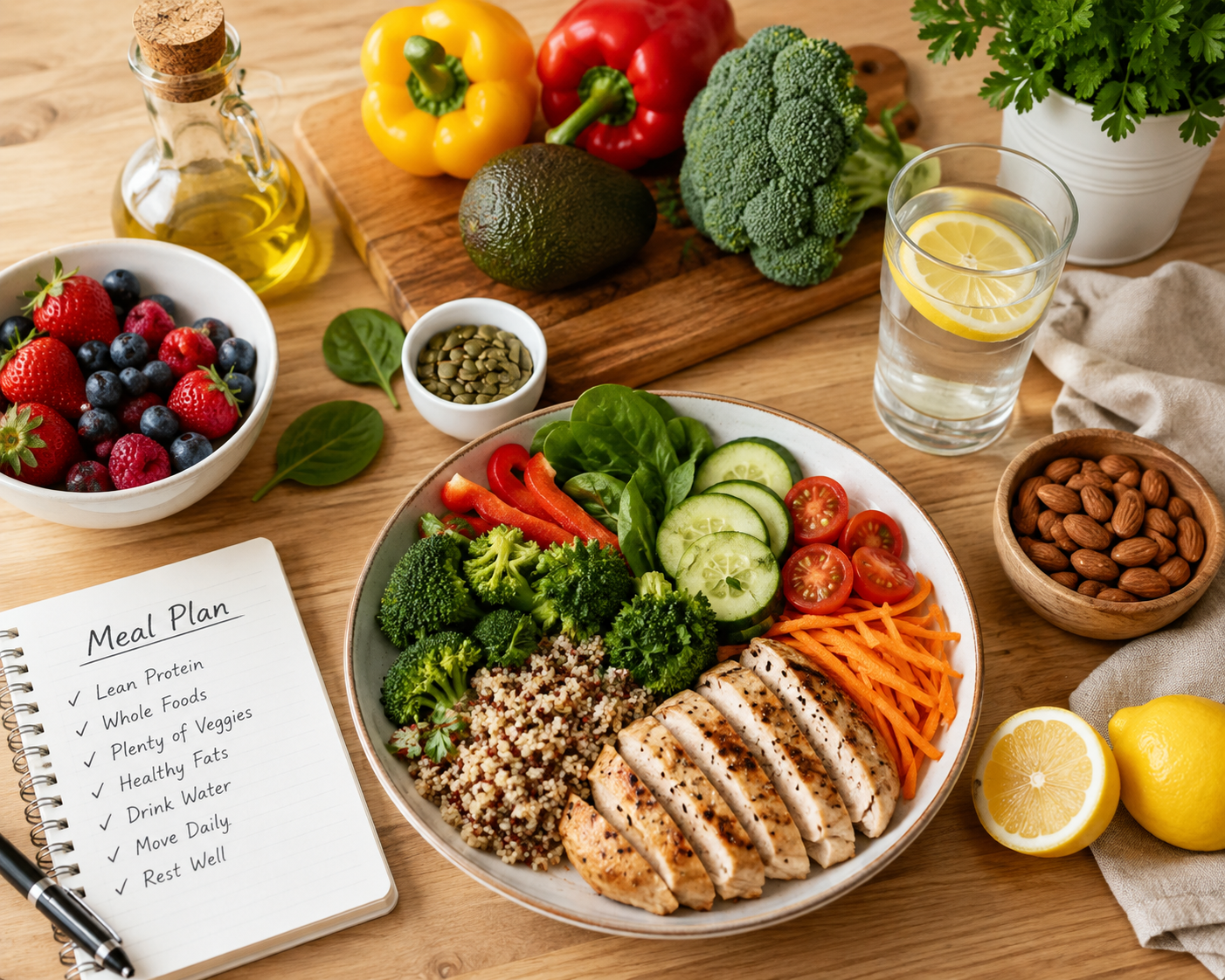
A balanced meal often includes some combination of:
Protein
Vegetables or fruit
A source of carbohydrate or whole grains
Healthy fats
Water or another appropriate beverage
That does not mean every plate has to look exactly the same.
Breakfast may look completely different from dinner. A quick lunch may be simpler than a meal you prepare on the weekend. Some days you may have more vegetables. Other days you may rely on convenient foods.
That is real life.
Healthy eating is usually more sustainable when you build a basic structure you can return to rather than trying to follow a long list of rules.
Start With a Source of Protein
Protein can help make a meal feel more satisfying and can be part of supporting muscle health and overall nutrition.
Depending on your preferences, protein might come from foods such as chicken, turkey, fish, eggs, beans, lentils, yogurt, cottage cheese, tofu, or other foods you enjoy.
You do not need to turn every meal into a high-protein challenge.
Simply asking, “What is my protein for this meal?” can be a useful starting point.
For example, a simple lunch could be grilled chicken with vegetables and rice. Breakfast might be eggs with whole-grain toast and fruit. Dinner could include fish, roasted vegetables, and potatoes.
The exact food matters less than having a practical pattern you can actually maintain.
Add Some Color From Vegetables or Fruit
Vegetables and fruit provide vitamins, minerals, fiber, and a wide variety of plant nutrients.
But this is another area where people sometimes make healthy eating unnecessarily difficult.
You do not have to prepare five different vegetables with dinner.
One or two can be enough.
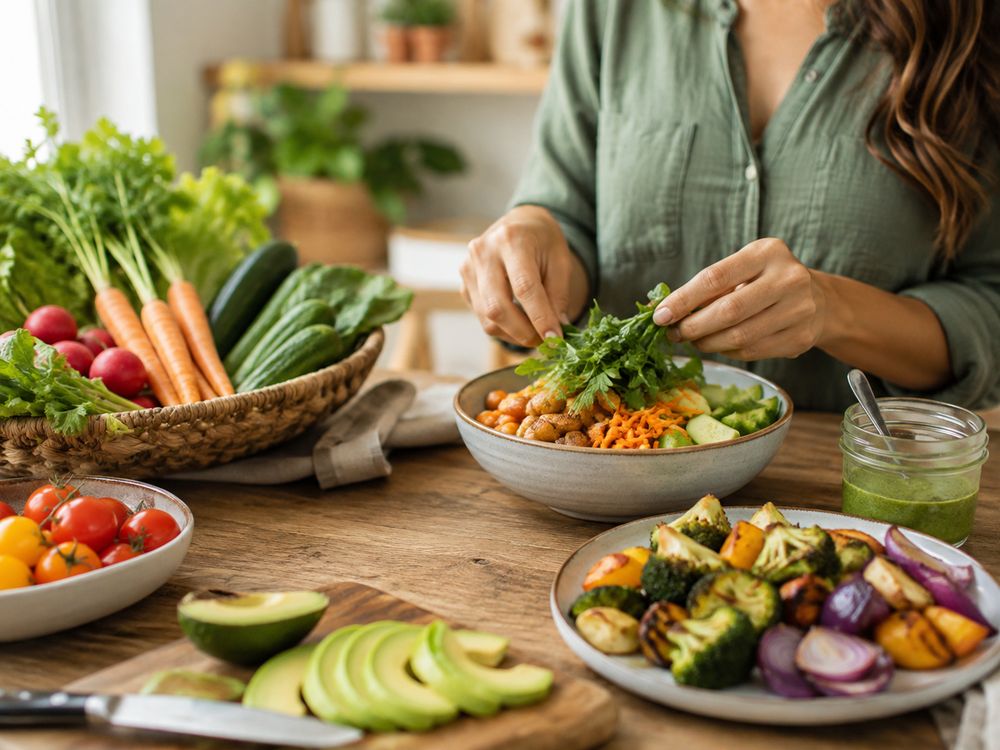
You might add a salad to your meal, roast a tray of vegetables, heat frozen broccoli, slice tomatoes and cucumbers, or add berries to breakfast.
Frozen and canned vegetables can be useful too. Convenience does not automatically make a food a poor choice.
If fresh produce regularly goes bad in your refrigerator, frozen vegetables may actually be the more realistic option for your household.
The best healthy choice is often the one you will actually use.
Carbohydrates Do Not Have to Be the Enemy
Carbohydrates are often treated as though they are automatically unhealthy, but that is far too simple.
Foods containing carbohydrates can also provide fiber, vitamins, minerals, and energy.
Depending on your health needs and preferences, a meal might include brown rice, oats, quinoa, potatoes, sweet potatoes, beans, fruit, or whole-grain bread.
What matters is the overall meal and your individual needs.
Someone managing diabetes or another medical condition may need more individualized guidance about carbohydrates, portions, medications, or meal timing. That is a conversation to have with a qualified healthcare professional who knows your medical history.
For general everyday eating, there is no reason to turn one nutrient into something you have to fear.
Do Not Forget Healthy Fats
Fat also plays an important role in food and nutrition.
Foods such as avocado, nuts, seeds, olive oil, and certain fish can contribute beneficial fats to a meal.
You do not need large amounts to make a difference.
A little olive oil on vegetables, a small handful of nuts with fruit, or some avocado added to a meal can help make food more satisfying and enjoyable.
Again, the goal is balance, not creating a plate that checks every nutrition box perfectly.
Make Convenience Work for You
One of the biggest mistakes we can make is assuming healthy meals have to be made entirely from scratch.
They do not.
A realistic kitchen might include frozen vegetables, bagged salad, canned beans, pre-cooked grains, rotisserie chicken, frozen fish, pre-cut vegetables, yogurt, eggs, fruit, and simple pantry staples.
Those foods can help you build meals quickly when you are tired or busy.
For example, dinner could be as simple as:
Rotisserie chicken, frozen vegetables, and a microwaveable brown rice packet.
That may not look like a meal from a wellness magazine, but it can still be a practical, balanced dinner.
Healthy eating has to fit into your life if you want it to last.
Think About What You Can Add
A helpful way to approach food is to focus less on what you need to eliminate and more on what could make the meal more balanced.
Instead of saying:
“I should not eat this.”
Try asking:
“What could I add to this meal?”
Maybe the answer is vegetables.
Maybe it is protein.
Maybe it is fruit.
Maybe it is simply a glass of water.
This small change in thinking can make healthy eating feel much less restrictive.
You are building a better meal rather than judging the one you already have.
Your Plate Does Not Have to Look the Same Every Day
There will be restaurant meals, holidays, busy workdays, celebrations, leftovers, and evenings when dinner is whatever you can put together quickly.
That does not mean you have failed at healthy eating.
One meal does not determine your health.
What matters more is the pattern you build over time.
When you have the opportunity, choose foods that support your health. When life gets busy, make the best reasonable choice available and keep going.
There is no need to start over on Monday.
A Simple Way to Build Your Next Meal
The next time you prepare a meal, try keeping it simple.
Choose a protein you enjoy.
Add vegetables or fruit.
Include a carbohydrate that works for you.
Add a little healthy fat when appropriate.
Have something to drink, especially water.
Then eat your meal and enjoy it.
You do not need a complicated system to begin making healthier choices.
Sometimes a healthier life really does begin with one plate, one meal, and one reasonable choice at a time.
Keep Track of the Bigger Picture
Healthy eating is only one part of your overall health.
Blood pressure readings, blood sugar information, medications, symptoms, sleep, movement, and questions for your healthcare provider can all be easier to manage when you keep them organized.
That is why I created the free Life’s Healthy Solutions Healthy Numbers Tracker.
Get the Free Healthy Numbers Tracker →
You can use it to keep important health information in one place and bring better-organized notes to your healthcare appointments.
Important Health Note
This article is for general educational purposes only and is not medical or nutritional advice. Individual nutrition needs can vary based on age, medications, medical conditions, allergies, pregnancy, activity level, and other factors. If you have diabetes, kidney disease, heart disease, digestive conditions, food allergies, or other health concerns, talk with your physician or a qualified registered dietitian about the eating approach that is appropriate for you.